


The art of war
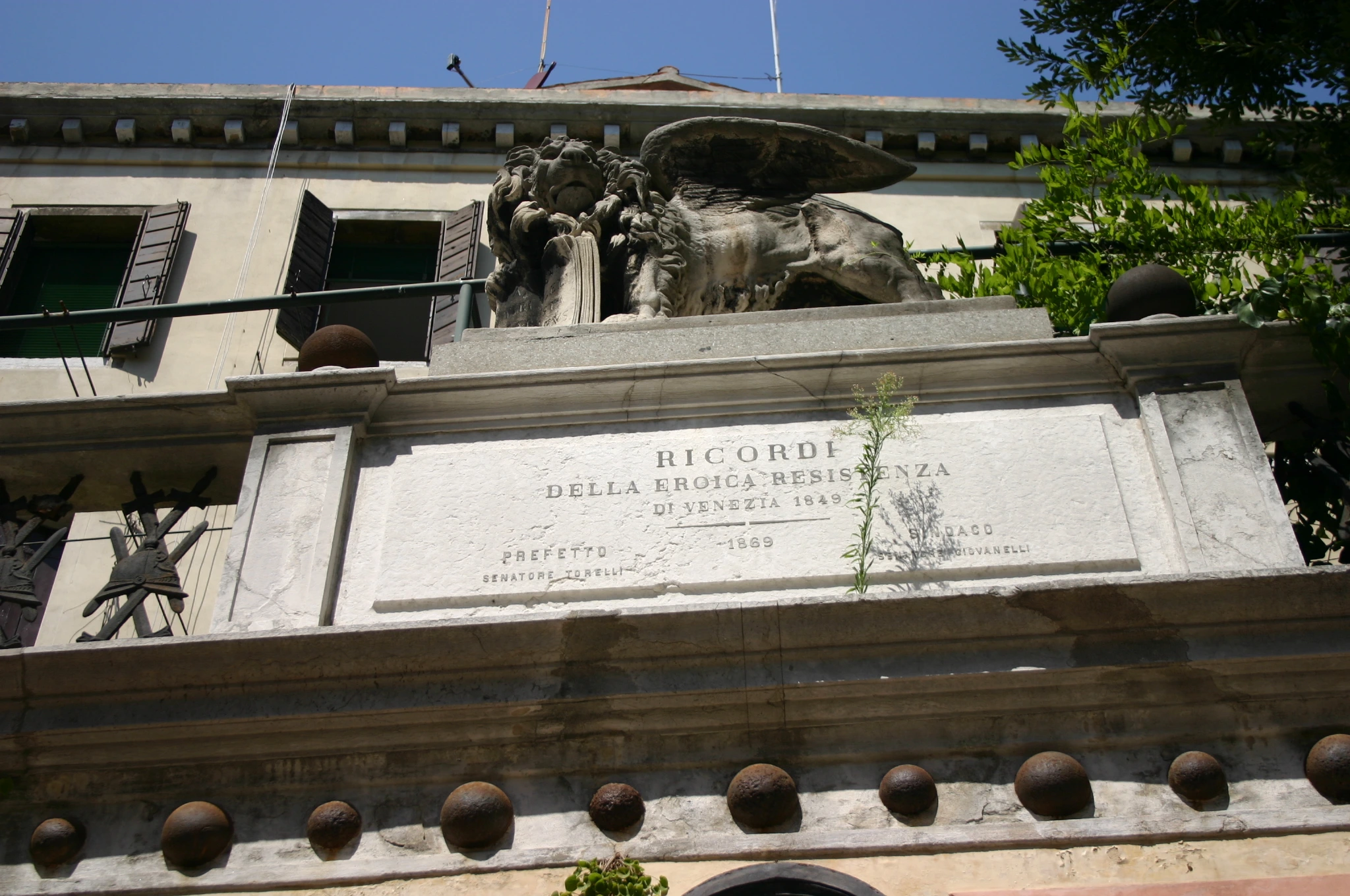
In Venice, at the Hotel San Fantin, the façade is made of cannons and cannonballs from the siege of Venice in 1849 by Austria, triggered by the declaration of the independent Republic of San Marco by some Venetian enthusiasts. While the siege was tragic, the façade is a demonstration of art which combines the tragic with the comic.
Also, in Santa Maria del Giglio, the maps of the fortified cities made by Antonio Barbaro are placed on the facade (at eye level) replacing statues representing the holy characters. This 6-panel panorama, from Heraklion (Corfu) to Rome, from Padua to Zara in Croatia, is the hardest travel guide of all time … each marble panel is at least 2.5 meters wide and weighs about 3,000 kilograms.
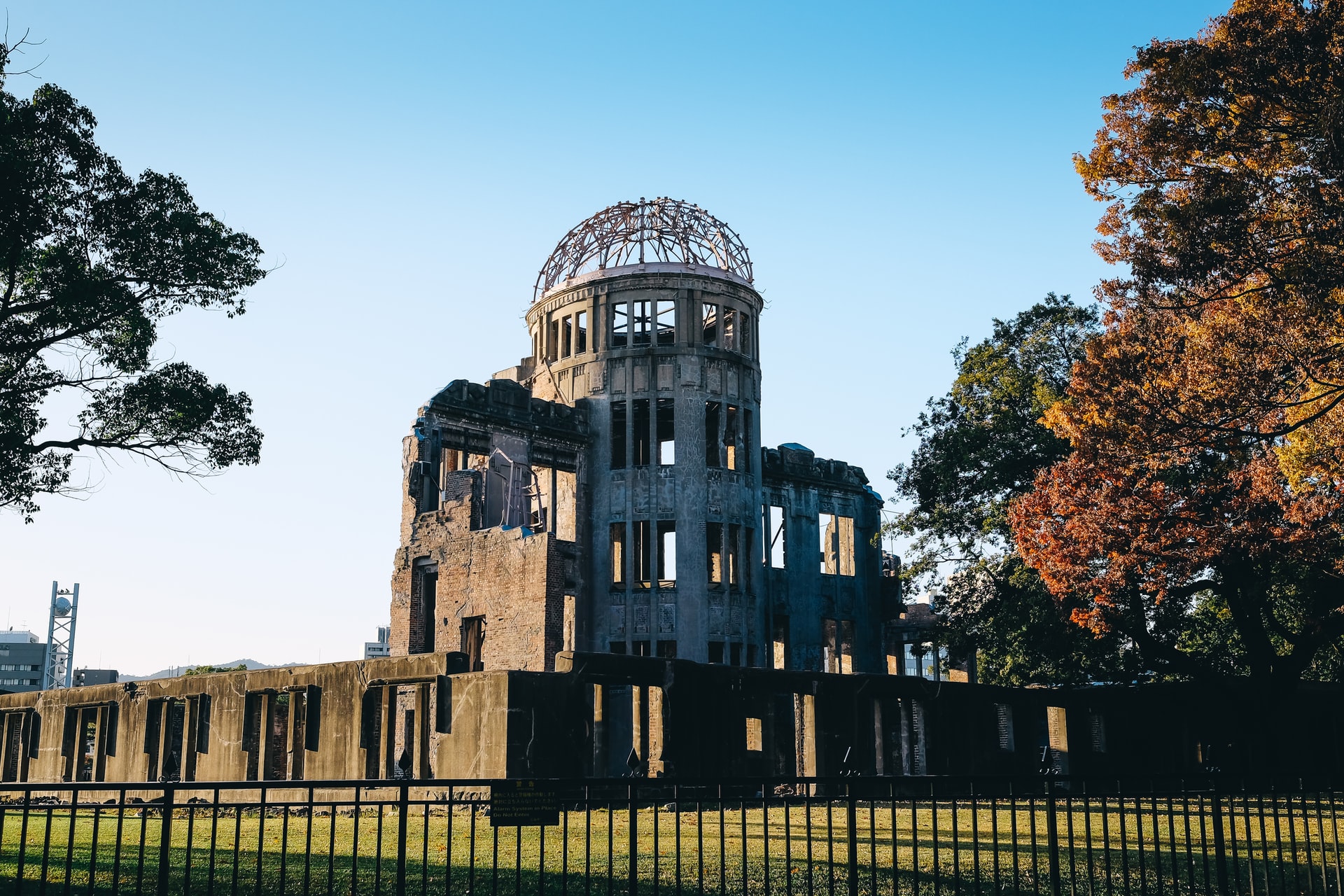
Throughout history, many natural and man-made events have changed the way cities were originally designed.
Perhaps one of the most unfortunate victims of the war, the Japanese city of Hiroshima was hit by an atomic bomb in 1945, which instantly killed more than 60,000 citizens and demolished almost every structure in the city. All that was left, however, was then destroyed by a cyclone that struck towards the end of that year. The city gradually revived, and people began to return to Hiroshima, building houses, schools, and public spaces. Many buildings have been turned into museums and memorials, documenting the history of Hiroshima and Japan in World War II. Contrary to popular belief, the vegetation quickly found its way.
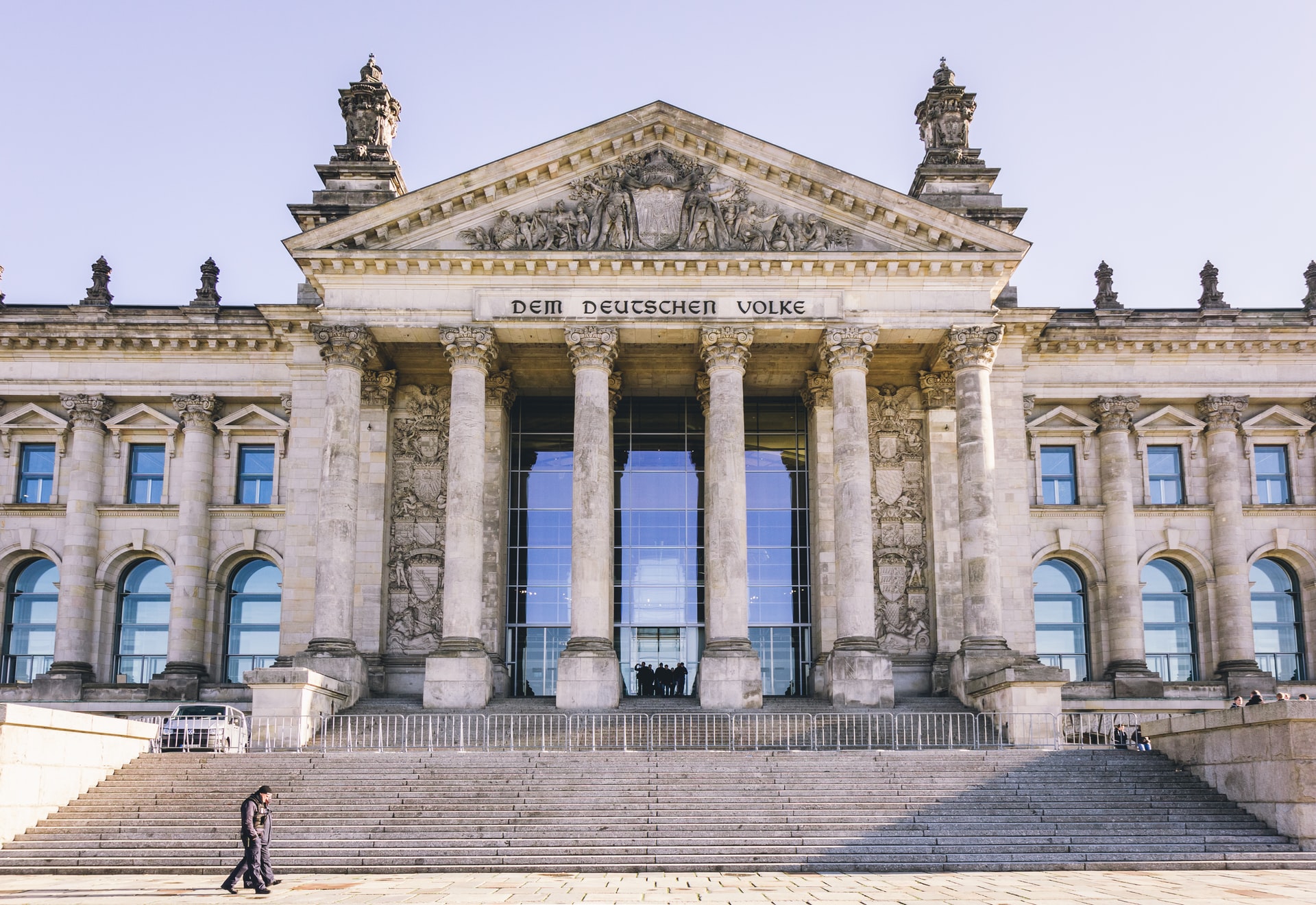
Germany has taken part and endured several wars over the years, being one of the most notable participants in both world wars.
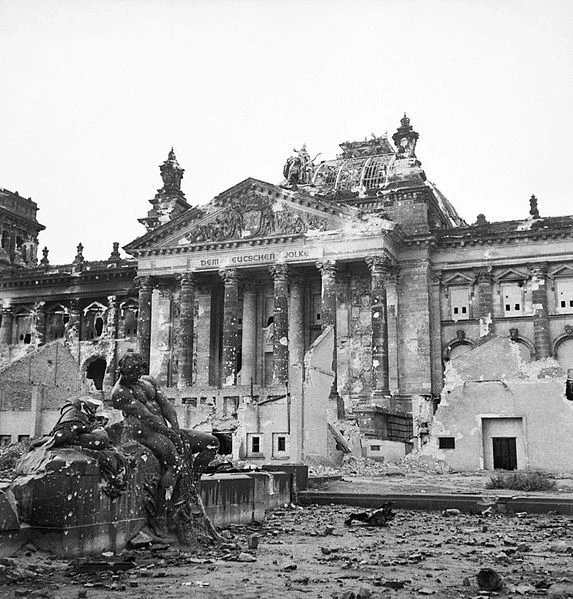
During World War II, the US Air Force bombed the German city of Berlin and destroyed more than half of its buildings.
The distinguished Reichstag building in Berlin fell victim to the war and was left in ruins, with a Soviet flag fluttering on the roof. Immediately after the end of the war, prompt renovations were started, which have been going on ever since.
Berlin is now one of the most visited cities in Germany, hosting many mega-enterprises and structures. The Reichstag building, which is the home of the German parliament, was renovated by Sir Norman Foster , retaining the original architectural style of the building, but with a contemporary intervention of a large glass dome on the roof.